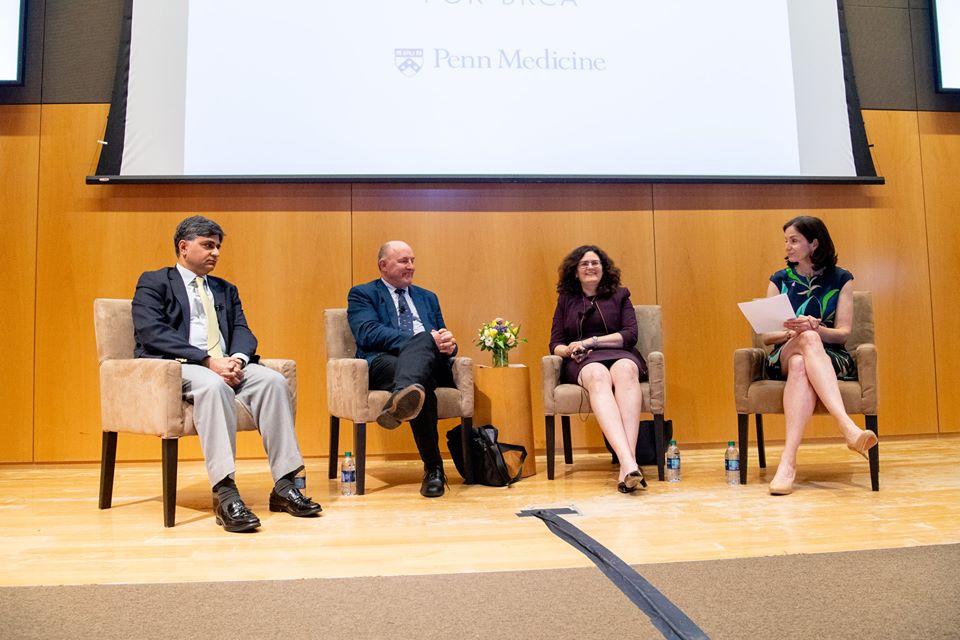
The Basser Center for BRCA is the world’s first comprehensive center dedicated to the research, treatment, and prevention of BRCA-related cancers. BRCA1 and BRCA2 gene mutations are hereditary, can be passed down from either parent, and affect people of all genders. These mutations can increase lifetime risk for several cancers, including breast, ovarian, pancreatic, prostate, and melanoma. The Basser Center provides trusted education, risk assessment tools, and expert resources to help individuals and families understand hereditary cancer risk.
Cancer Risks Associated With BRCA1 and BRCA2 Gene Mutations
Individuals who test positive for a BRCA1 or BRCA2 gene mutation have an increased risk for certain types of cancer, and can pass on these mutations to both male and female children. BRCA mutations are most commonly linked to male and female breast cancer, ovarian cancer, prostate cancer, and pancreatic cancer. Some individuals with BRCA mutations may also have an increased risk of melanoma. Understanding these risks can help individuals and families make informed decisions about genetic counseling, cancer screening, and prevention options.

Get Started with Genetic Testing and Counseling

Genetic Testing and Counseling
Learn about the genetic testing, the importance of knowing your family health history, BRCA-related cancer risks, and the genetic counseling process.
Find a Genetic Counselor in Your Area
Use the National Society of Genetic Counselors’ 'Find a Genetic Counselor' tool or contact your local academic medical center or cancer center.
Insurance Coverage FAQs
Find commonly asked questions about the cost and coverage of genetic testing and cancer screenings, as well as the impact of genetic test results on health and life insurance.
Make an Appointment at Penn Medicine
Schedule an appointment at the Basser Center for genetic counseling or testing, management of hereditary cancer risk, and cancer treatment.
Basser Center for BRCA Summer Internship
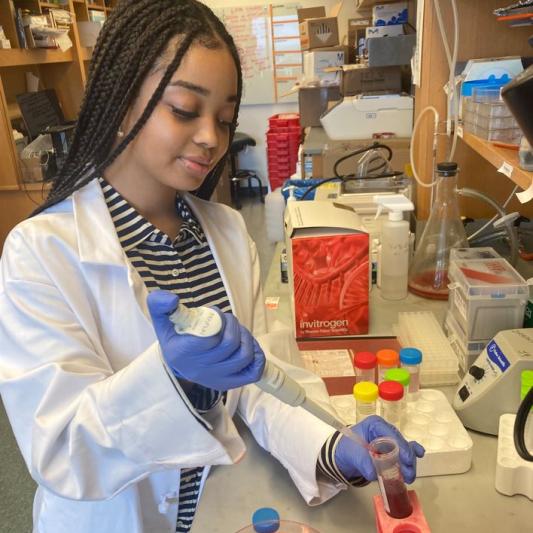
The Basser Center for BRCA at the Abramson Cancer Center, University of Pennsylvania, has established an eight-week intensive research opportunity for undergraduate students interested in genetics. This program was created to expand the pipeline of candidates with various backgrounds pursuing a career in genetic counseling, clinical genetics, nursing, and basic science.