Family Health History in the Latino Community with Miri Rodriguez
Video
When author and storyteller Miri Rodriguez discovered she carried a BRCA1 gene mutation, she took on the role of informing her own family about how this mutation could be passed through generations. Miri and her aunt discuss the importance of knowing your family history in the Latino community.
The Value of Genetic Testing in the Latino Community
Video
Alina M. Mateo, M.D., Director of the Integrated Breast Center at Pennsylvania Hospital, talks with Lucy Maria De La Cruz, MD, MedStar Georgetown University Hospital Chief of Breast Surgery, about the importance of feeling comfortable in a space with a healthcare team that you can understand in your own language.
Nicole Garcia Discusses Having Health History Conversations in the Latino Community
Video
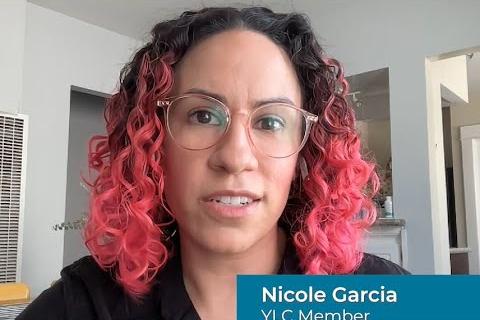
Basser YLC member, Nicole Garcia, shares how she found out about her BRCA1 genetic mutation diagnosis and how important it was for her to have open discussions about her family health history as a Latina this Hispanic Heritage Month.
Alejandra Campoverdi Shares the Value of Knowledge Within the Latino Community
Video
As a proud Latina, Alejandra shares how pivotal it is to raise awareness of BRCA gene mutations in the Latino community. With our Latinos & BRCA initiative, which Alejandra co-founded, we work to provide educational materials in Spanish, Spanish-speaking genetic counselors and doctors, and other resources so that people of the Latino community feel comfortable and inspired to learn more.
A BRCA Family Affair: The Garcia Family Shares Their Story
Video
Basser Young Leadership Council member and patient advocate Nicole Garcia, her mother, Mariana Garcia, and her sister, Marisa Martinez, discuss their family's journey with BRCA, including how they've managed their personal cancer risk, and how the Latino community can better educate themselves about family cancer history. The panel was moderated by Alejandra Campoverdi, co-founder of the Basser Center's LATINOS & BRCA initiative.
A Conversation with Nicole Garcia: Her BRCA Journey
Video
While everyone has BRCA genes, inheriting a gene mutation can increase your risk of certain types of cancer. The Basser Center's LATINOS & BRCA initiative presents this conversation with Nicole Garcia, who shares her personal story about her family's journey with hereditary cancer.
Racial Health Disparities in the United States
Video
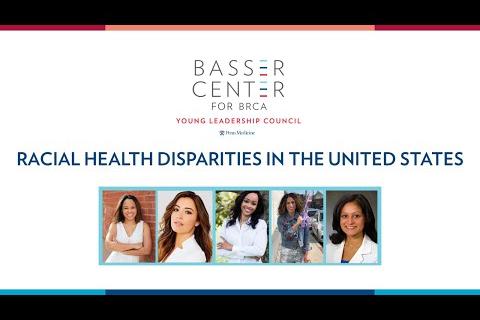
The Basser Center's Young Leadership Council presents a panel on racial health disparities, moderated by women's health advocate Alejandra Campoverdi, with the participation of Basser oncologist Payal Shah, MD, and Basser Young Leadership Council members Ashley Dedmon and Nicole Garcia.
Raising Awareness of BRCA and Hereditary Cancer in Latino Communities
Video
Alejandra Campoverdi, patient advocate and co-founder of the Basser Center's LATINOS & BRCA initiative, discusses the importance of raising awareness of hereditary cancer in the Latino community.
Racial Disparities in Hereditary Cancer
Video
Basser Young Leadership Council co-chair and patient advocate Erika Stallings discusses racial disparities in hereditary cancer, BRCA mutations in the Black community, and more with Basser Center scientist and Penn Medicine medical oncologist Payal Shah, MD.
Replacing Fear with Hope (Español)
Video
The Basser Center for BRCA's initiative LATINOS & BRCA aims to raise awareness, provide education and resources, and build community for the U.S. Latino community around BRCA-related cancers.
LATINOS & BRCA
Video
Elle Magazine editor-in-chief and fashion icon Nina Garcia shares her personal story with hereditary cancer and helps launch Basser Center initiative, LATINOS & BRCA.
Basser Jean Bash 2019: Nina Garcia
Video
Nina Garcia, editor-in-chief of Elle Magazine and judge on Project Runway, spoke at the 2019 Basser Jean Bash fundraiser and helped launch the LATINOS & BRCA initiative to raise awareness of hereditary cancer in Latino communities.
Fundamentos del BRCA y camino para el progreso
Video
Los hombres y mujeres con mutaciones genéticas, ya sea en BRCA corren mayor riesgo de desarrollar ciertos tipos de cáncer, incluido el cáncer de mama, ovario, próstata y páncreas.